

This item is part of our special edition: “Deciphering Chinese Buddhism”
You can read the previous article in this series by clicking here
No particularly memorable event immortalized the entry of Buddhism into China: there was no decree ad hoc, not a famous sermon, not an imperial conversion. Its arrival was gradual, as if it were leaking through a dropper. It was promoted through commercial routes and the constant flow of travelers; it was sustained thanks to missionaries who stayed in loaned houses or shrines and translation centers funded by local employers; and it advanced thanks to converts and sympathizers who, day by day, normalized new practices and stories, until the population began to recognize Buddhism as part of urban life.
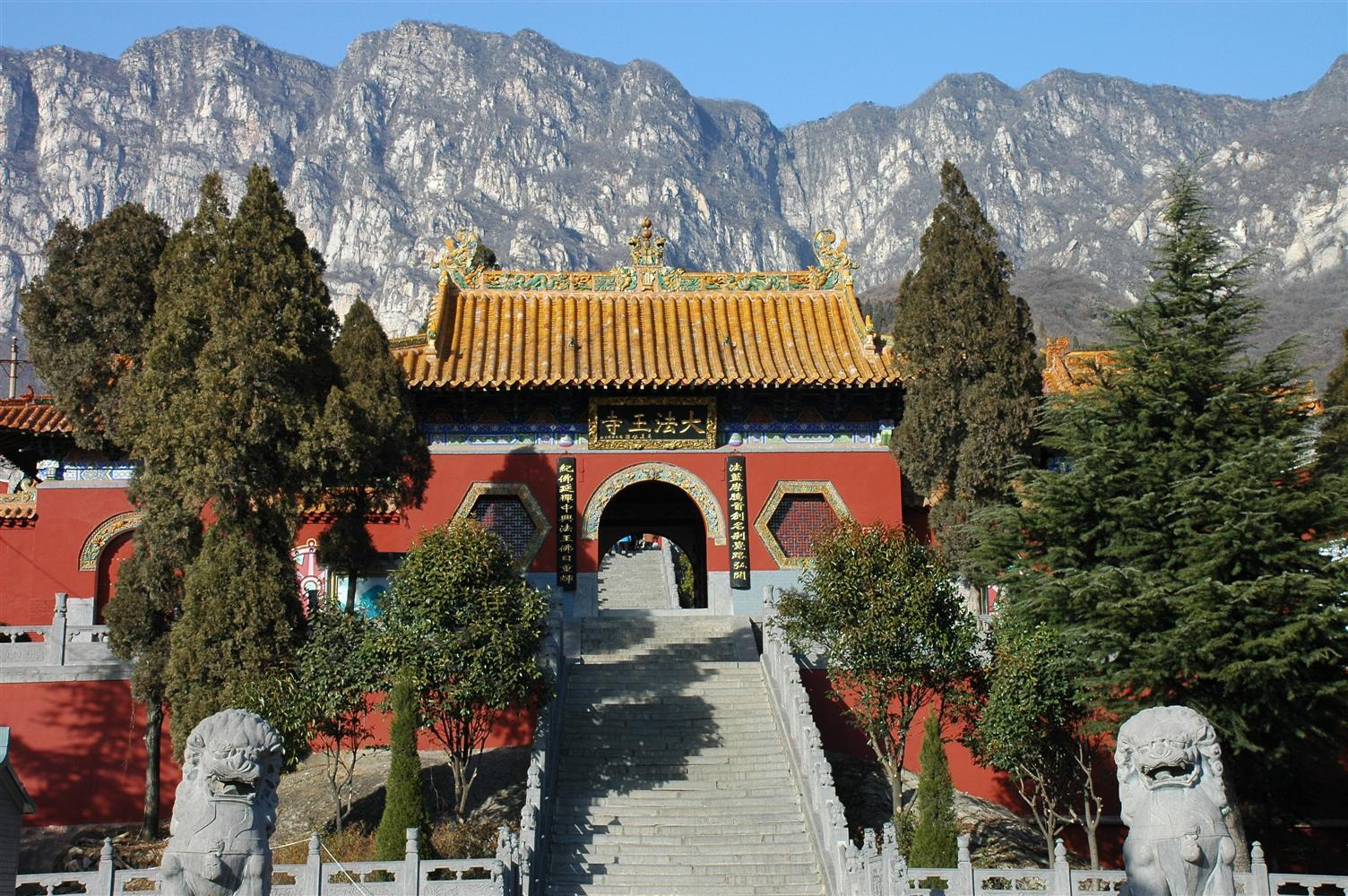
In its early stages, Buddhism was considered a religion Hú (), that is, of people from Western regions, with languages, clothing and ritual gestures unfamiliar to the Chinese. Over the years, it was the Chinese themselves who adopted these customs: fasting, prayers, charity banquets and funerary inscriptions that took on local characteristics. We have no great narratives for this gradual process of sinicization, nor chronicles of those who experienced it in the first person or of their future Confucian detractors. The available information comes mainly from colophons, votive stelae and brief poems, as well as references in dynastic stories and archaeological findings.
Within this framework, a local-based Buddhism took shape: sometimes compatible with the Huang-Lao rites, but which, little by little, gained its own voice. “Huang-Lao” () designates a combination of ideas and practices characteristic of the Han era, associated with the Yellow Emperor (Huangdi) and Laozi. It was not an institution with a well-defined doctrine, but rather an open set of personal cultivation, rules of purity, and methods oriented to health and longevity. In such an environment, Buddhism could be perceived as less alien than it would seem at first glance, because it also proposed bodily and mental discipline and inner transformation. This closeness facilitated its cultural translation, although over time Buddhism delimited its own traits more clearly.
Slowly, Buddhist communities began to form in the places where large mercantile networks converged. For example, in the capital Luoyang, at the commercial hub of Péngchéng and in some ports in the south, Buddhism found fertile ground to take root. However, this transition was not linear: ritual practices in the court, private devotions and public meetings coexisted in spaces shared by merchants, itinerant monks, officials and interpreters, who acted as cultural mediators. The result was a poorly institutionalized religiosity, sustained by donations, hospitality and the copying of texts, which preceded the formation of fully sinicized monasteries (see Zürcher, 2007; Sharf, 2002).
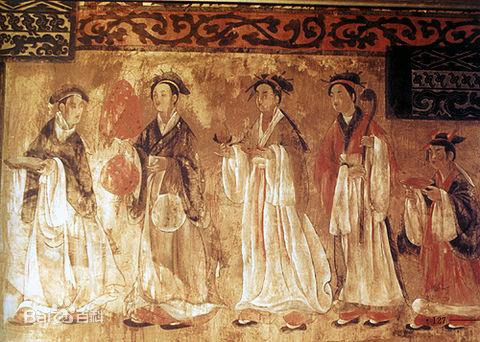
Péngchéng, 68 BC: first Buddhist traces in the Han court
A passage dated 68 BC relating to Péngchéng (; present-day Xúzhōu in the province of Jiāngsū) and with Liú Yīng (), Prince Han and king of Chu (), is preserved in the Houhanshu (, “Stories of the Later Han”), prepared in the 5th century. This passage is often quoted to show an early indication of Buddhist tradition in China, since it states that Liu Yīng “fasted and sacrificed the Buddha” and made offerings to Fó (). This mention, in any case, would suggest an early Buddhist ritual adoption in court, but not necessarily the existence of monastic communities in China. Also noteworthy is the early diffusion of Buddhist vocabulary in the dynastic chronicle, terms such as Upāsaka () and Śramaṇa (Sha). The subsequent political alienation of Liú Yīng, and his association with practices dominated by sects considered heterodox, strengthen the image of “palatial Buddhism” as still somewhat hesitant (Zürcher, 1959, p. 22).
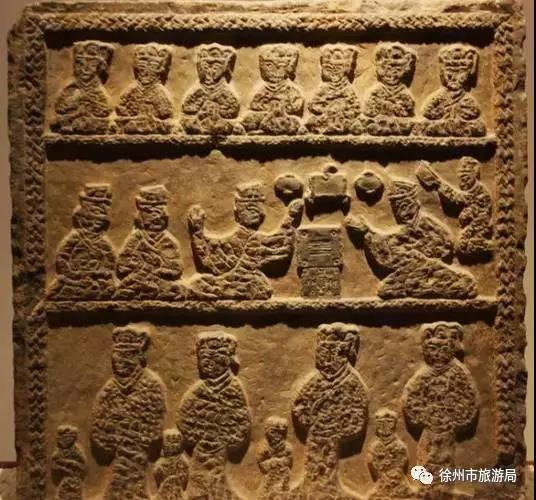
Péngchéng was a strategic point at the intersection of land and river trade routes, connected to maritime circuits bound for Southeast Asia, where merchants and interpreters exchanged objects of worship —for example, statuettes— and, with them, forms of communication and understanding. These spaces of exchange illuminated communities that interacted and related before the existence of temples and monasteries. The phenomenon responds, in part, to the way in which rituals were carried out in the Han Dynasty, a time when translation between cultures was required. Although support for these religious practices was still embryonic and weak, it foreshadowed the consolidation of Buddhism in the region.
Luoyang: translation workshop, cradle of lexicons and light organization
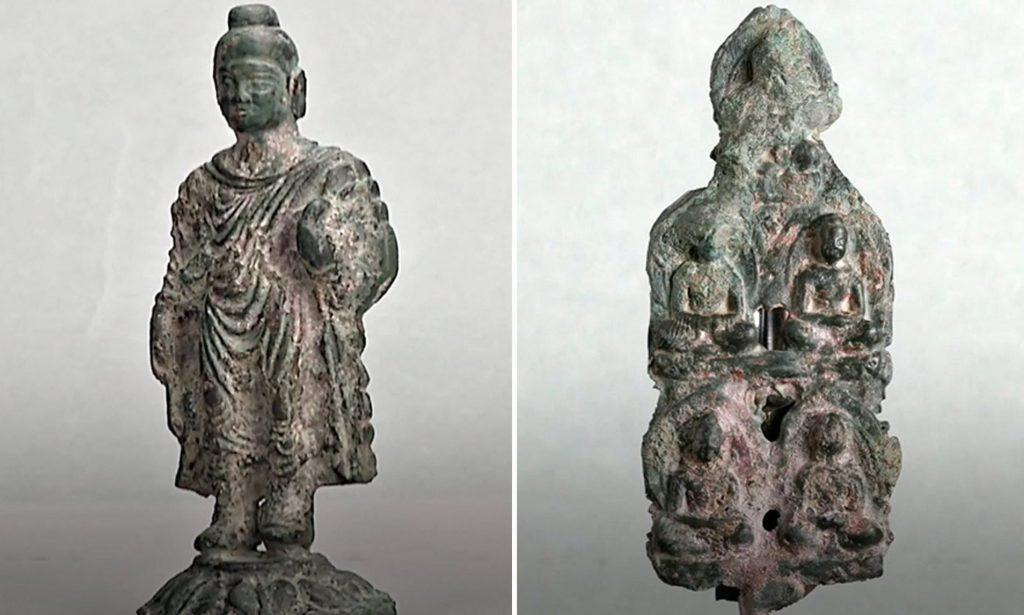
Along with Péngchéng, the introduction of Buddhism during the Han Dynasty found in Luoyang, the imperial capital, one of its first settlement centers. Merchants, Shāmén () and interpreters from Central Asia and the Tarim corridor facilitated the transmission of teachings, sutras and practices, and contributed to the formation of small Buddhist communities in areas associated with foreign communities Hú (). This scenario is supported by material evidence: Buddhist statuary with stylistic features linked to Gandhāra/Kushan art, consistent with transregional exchange routes. Steles and figurines with Gandharan features in Han contexts confirm the devotion and circulation of portable objects beyond the text; they do not on their own prove the existence of monasteries, but they do prove sustained contact and devotional practices in motion.
According to tradition, the White Horse Temple (Báima-si) was founded in the late 60's BC. This temple is often seen as a turning point in the history of Buddhism in China. Legend has it that Emperor Ming had a dream in which he saw a “golden man”, whom he identified as the Buddha. So they sent delegations to the West to bring sacred texts and monks. When they returned, they founded the temple, which became one of the first centers of Buddhist translation and practice. Initially, the Buddhist groups in Luoyang, including the White Horse Temple, were small and disorganized. They met around the temple grounds where they read, commented on and copied texts that they received orally or in writing.
Over time, Luoyang established itself as a vibrant cultural adaptation workshop. There, monks from India and Central Asia collaborated closely with local scholars in a process that went beyond mere literal translation. To make Buddhist ideas understandable, the translators made a conceptual accommodation, identifying terms in the Confucian and Taoist repertoires that would serve as philosophical bridges. A fundamental example was the use of the concept of Dào () to explain Dharma, or the term Wúwéi (Free) to formulate the notion of non-agency. It was in this linguistic laboratory that words that are now universal were popularized, such as Fó (, Buddha), Sēng (, monk) Shāmén (, ascetic).
Figures, texts and doctrinal tensions
A fundamental aspect at this time is the consolidation of figures such as Ān Shìgāo () (active in Luoyang c. 148—170 CE), a Parthian prince and translator of texts linked to early Buddhism, and Lokakṣema () (active in Luoyang c. 178—189 CE), a Kushán monk of Yuèzhī origin, who were essential in the spread of Buddhism in this period. The translations of Ān Shìgāo, relating to meditation manuals and practical texts of early Buddhism, were aimed at meeting the needs of lay practitioners who wanted to bring the teachings closer to their daily lives. These communities contained not only monks, but also interpreters, scribes, publishers and lay sponsors who provided material resources, from paper to food.
At the same time, Lokakṣema was also one of the first translators of Mahāyāna texts into Chinese, working mainly in the years 178 and 189, at the time of Emperor Líng de Hàn. It has been noted that, coming from Kushan, he probably worked in a multilingual context (Gândhārī/prácrites from North India), however, the primary sources of information are scarce. Among them are texts pertaining to Prajñāpāramitā and the Pratyutpanna Samadhi Sutra. These new texts did not supplant the meditation manuals of Ān Shìgāo, but were added to them, offering concepts such as emptiness and visionary practices (visualization of the Buddha and meditative experiences narrated in the Pratyutpanna) which enriched the horizon of Buddhism in China.
The existence of collaborators in Luoyang highlights the sociology of early Buddhism: Ān Xuan, a parthian merchant converted to Buddhism and a lay practitioner (Upāsaka), and Yán Fótiáo, the first documented Chinese monk. The colophons of the translations highlight the work of translators, copyists and proofreaders, and record contributions from lay members. As Jan Nattier points out, the translation activities of Lokakṣema, as well as those of the Parthians Ān Shìgāo and Ān Xuán, illustrate the key role of Central Asians in the spread of Buddhism to East Asian countries.
One of the first widely circulated Buddhist texts in Chinese, although with a complex textual formation, the Sutra in forty-two sections, was used in political debates, such as the Xiāng Kăi memorial in 166 BC, where Emperor Huán was criticized by comparing him to an Indian king. This text shows a continuous process of adaptation and revision, evidenced by the differences between its early version and the later editions of the Tang Dynasty.
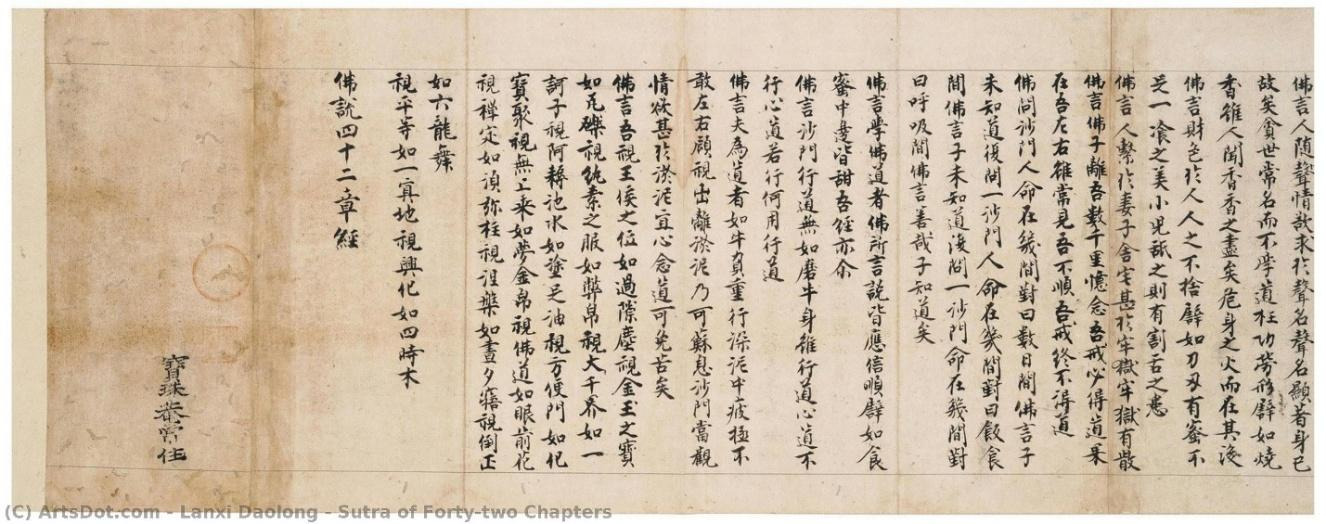
Buddhism generated tensions with predominant Confucian values. Although some considered it exotic and useful for political debates, others criticized it for promoting celibacy and renunciation, practices that contradicted family and social duties. Despite criticism, communities continued to grow and integrate into local life with practices such as funerary rituals, evidenced by Buddhist statues found in Han tombs and artifacts such as iron bells decorated with images of the Buddha. The colophons record female participation in copies, hospitality and donations, evidence of a lay agency that maintained this light institutionality.
During the 2nd and 3rd centuries CE, Buddhism gained greater traction, especially in times of crisis such as the Yellow Turban Rebellion (184 CE), which could make it attractive as a spiritual and community response in times of uncertainty. Figures such as Zhī Qiān () continued the translation work, expanding the Buddhist canon and contributing to its integration into Chinese society. Historical sources such as Hou Hanshu And the Gaoseng Zhuan (“Biographies of eminent monks”), together with inscriptions on stelae and artifacts, confirm this vibrant presence (Zürcher, 1959/2007).
Bibliography
Zürcher, Erik (2007). The Buddhist Conquest of China: The Spread and Adaptation of Buddhism in Early Medieval China. Leiden: Brill.
Nattier, Jan (2008). A Guide to the Earliest Chinese Buddhist Translations. Tokyo: International Research Institute for Advanced Buddhology..
Sharf, Robert H. (2002). Coming to Terms with Chinese Buddhism: A Reading of the Treasure Store Treatise. Honolulu: University of Hawaii Press.
You can read the next article in this series by clicking here.


