

On March 22, 2026, Father Aloysius Pieris S.J., died in Tulana, Gonawala-Kelaniya, aged 92. With his death, one of the great voices of Asian liberation theology disappears, a major figure in twentieth-century theology and an indispensable reference in dialogue between Christians and Buddhists, both in Sri Lanka and in the rest of the world.
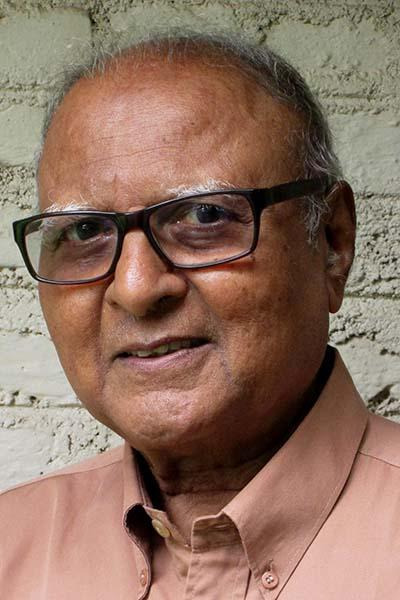
Born on April 9, 1934 in Ampitiya, Sri Lanka, Father Pieris was a Jesuit, theologian and profound connoisseur of Buddhism. He lived his Christian faith from the concrete reality of Asia, convinced that theological reflection should take seriously both the spiritual and religious wealth of the continent and its multiple forms of suffering, poverty and exclusion. This way of placing theology in the real life and suffering of Asia constitutes one of its main legacies and gave rise to one of the most unique theological works of its time.
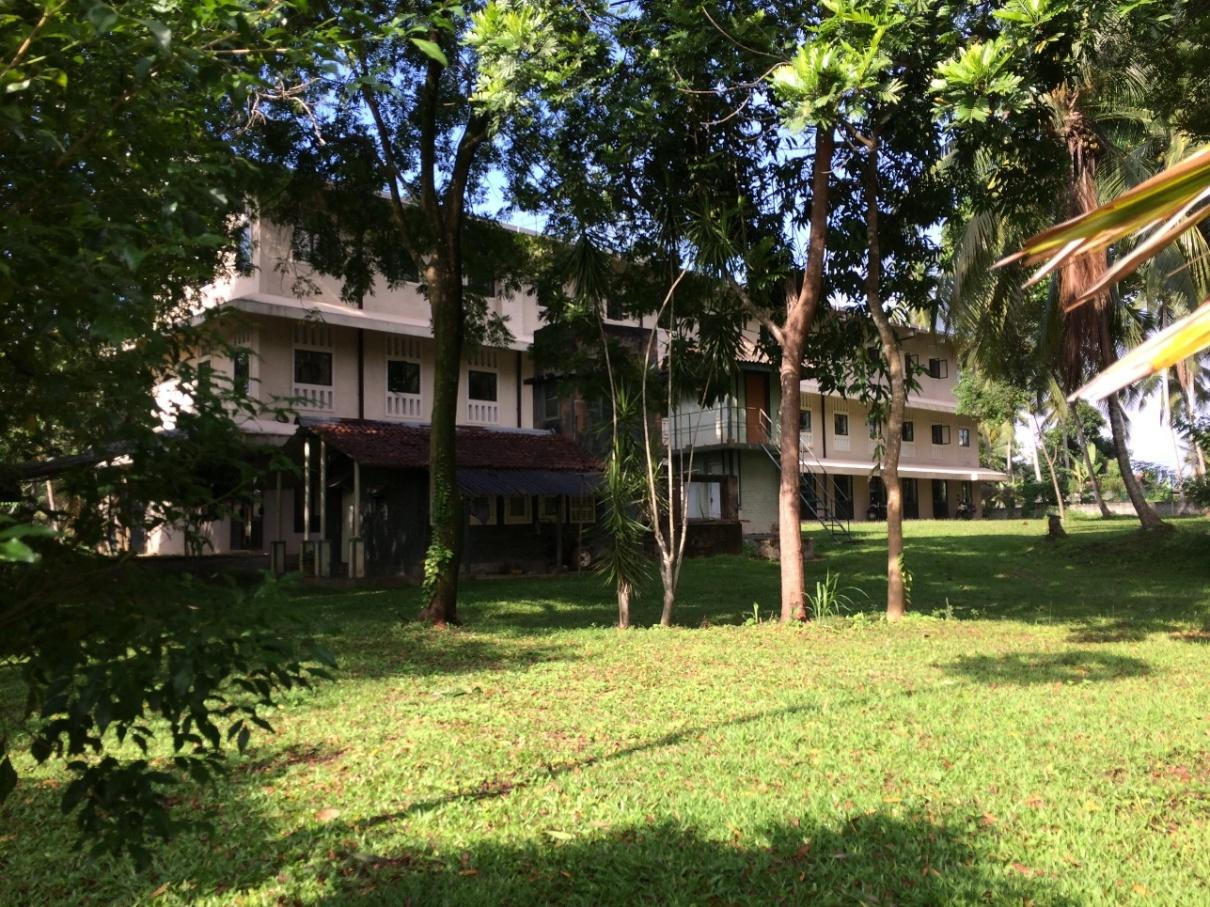
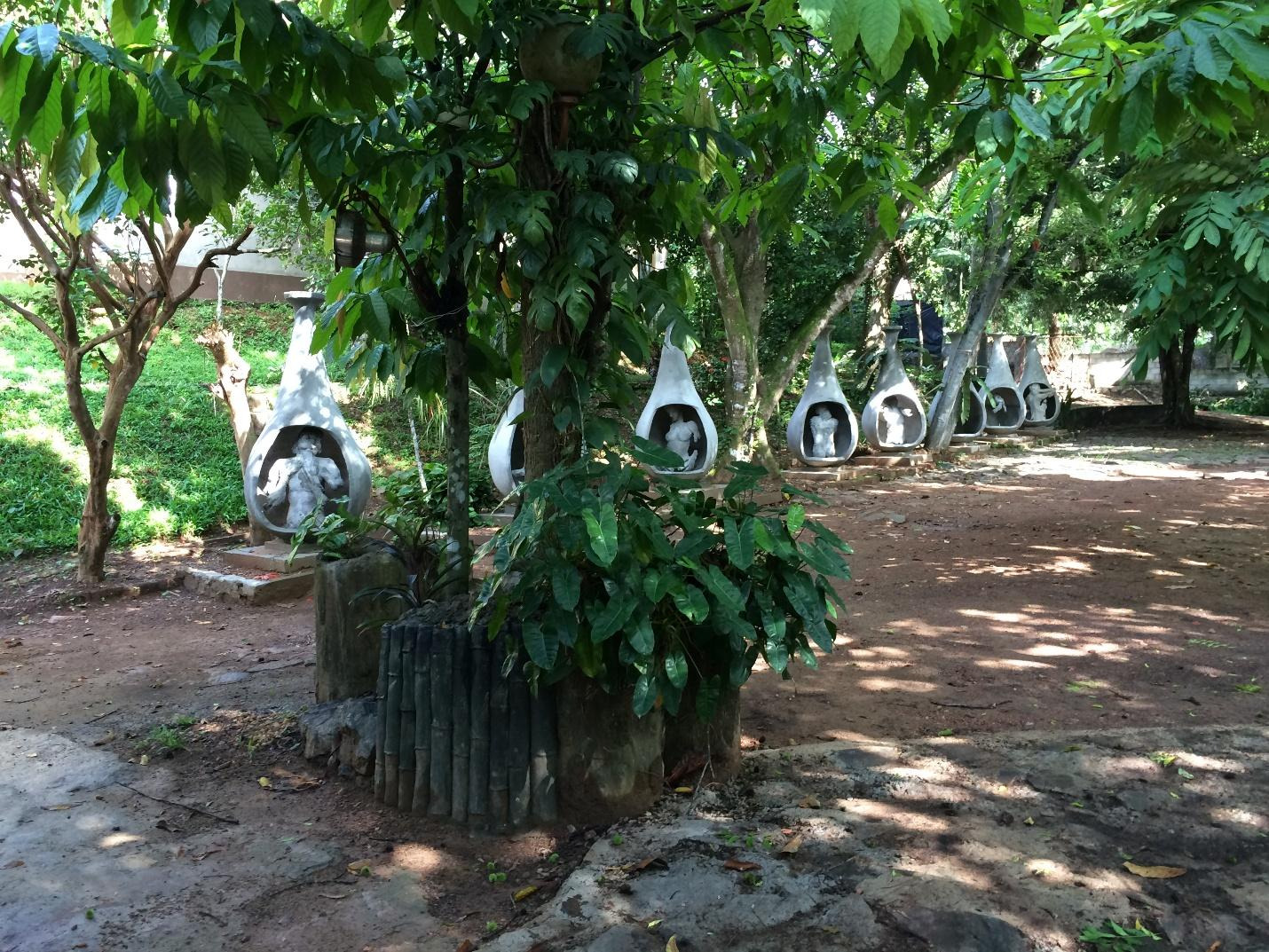
In 1974 he founded the Tulana Research Center for Encounter and Dialogue. Over time, Tulana became a place of reference for the study of Buddhism, Christian theological reflection and interreligious dialogue. But it was always more than an academic center: a space for study, hospitality and conversation, where intellectual work was combined with social commitment. To visit Father Pieris in Tulana was to get a glimpse into that world. It was not uncommon to find Theravada monks and Christian religious who came there in search of inspiration and advice and were greeted with attention, simplicity and friendship.
One of the most unique notes in his work was his deep knowledge of Theravāda Buddhism and the Pali language. Thanks to this, he was able to enter into dialogue with the Buddhist tradition with an unusual depth, avoiding superficial comparisons and hasty analogies. In a field where easy approaches abound, he insisted on the importance of reading with great care, distinguishing with precision and respecting the internal coherence of each tradition.
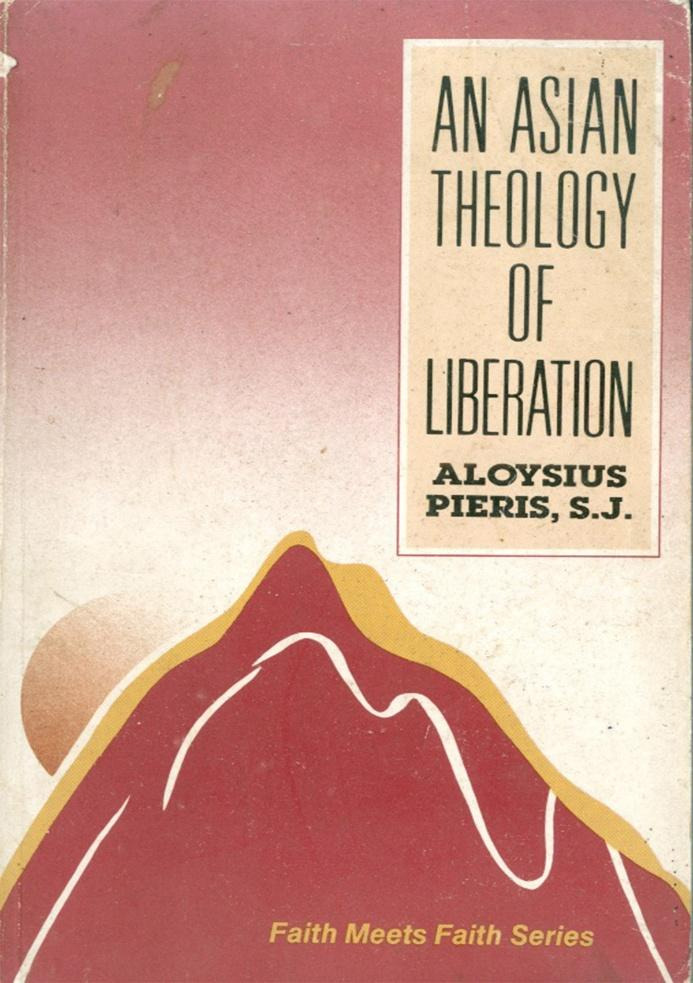
Your book An Asian Theology of Liberation was decisive in his career and continues to be a reference for Christian theology in Asia. He wanted to think together about two realities that profoundly marked his life and reflection: the spiritual wealth of Asian religions and the poverty of millions of people on the continent. This attention both to the religious experience and to the suffering of the poor throughout the 20th century covers much of his work and also explains the unique place he occupies in contemporary theology.
I had the privilege of having Father Pieris as external supervisor of my doctoral thesis for four years. That work, dedicated to a comparative study between The inner castle of Saint Teresa of Avila and the Visuddhimagga of Buddhaghosa, owes much to his guidance and generosity. From him I learned, above all, a discipline of study. It did not encourage easy similarities between different traditions, nor did it turn dialogue into something merely edifying. He insisted on reading carefully, specifying the terms and never losing sight of the logic proper to each text and the internal coherence of each religious world.
I was able to visit him numerous times in Tulana, Sri Lanka, live with him for seasons and deal with him closely. There he was better understood: between books, visits and long conversations. I received it without haste and without affection. He had sobriety, attention and a very friendly way of making conversation easy. Those who knew him up close will also remember that rare combination of intellectual rigor and personal simplicity.
Along with his theological work, he also maintained a concrete commitment to education and service. In 1982 he co-founded, together with Hna. Greta Nalawatta PH, the Education Center for Hearing Impaired Children (CEHIC). That task was not something secondary in his life, but rather a clear expression of something he always maintained: religious reflection loses credibility when separated from effective care for people.
Throughout his career, he received several awards, including a doctorate Honoris Causa from the University of Kelaniya. But their importance does not lie only in their books or in their academic distinctions. It is manifested in a rare coherence between thought and life, between study and service, between intellectual openness and spiritual discipline.
After the funerals held in Kelaniya, his remains were buried in Tulana, the place he founded and to which he dedicated so many years of his life. There is something profoundly significant about it being left there. For those who work in the field of comparative religion, his work will continue to be an indispensable reference. For those of us who knew him, there is also the memory of a sharp and rigorous intelligence, a sober life and an especially honest way of taking both one's own tradition and that of the other seriously.
Rest in peace.
----------------
Daniel Millet Gil has a law degree from the Autonomous University of Barcelona and a master's degree and doctorate in Buddhist Studies from the University of Hong Kong, where he received the Tung Lin Kok Yuen Award for Excellence in Buddhist Studies (2018-2019). He is a regular editor and collaborator of Buddhistdoor in Spanish, founder and president of the Dharma-Gaia Foundation and co-director of the Buddhist Studies program at the Fundació Universitat Rovira i Virgili. He also runs the publishers Dharma-Gaia and Unalome, specialized in Buddhist publications, and is vice-president of the Ibero-American Network for the Study of Buddhism (RIEB).


